Mastering the Incident Report Logbook: A Comprehensive Guide
The Incident Report Logbook is an essential tool for any organization, business, or individual who needs to document and manage incidents effectively. This logbook serves as a structured and organized way to record, track, and analyze various types of incidents, from minor workplace accidents to more significant security breaches. Its relevance in today's fast-paced and highly regulated environments cannot be overstated.
Why the Incident Report Logbook Matters
In a world where data and documentation are critical, the Incident Report Logbook plays a pivotal role in maintaining transparency, compliance, and operational efficiency. It helps organizations stay on top of potential risks, ensuring that all incidents are recorded, investigated, and resolved in a timely manner. This not only aids in preventing future occurrences but also demonstrates a commitment to safety and accountability.
Evolution and Modern Relevance
The concept of incident reporting has evolved significantly over the years. Initially, it was a simple, paper-based system, but with the advent of digital technology, it has become more sophisticated and user-friendly. Today, the Incident Report Logbook is often available in digital formats, making it easier to access, share, and store information securely. This evolution aligns with the broader trend of digital transformation, where businesses are increasingly relying on technology to streamline their operations.
Practical Implications for Users and Businesses
For professionals, the Incident Report Logbook is a valuable resource that can help in several ways:
- Enhanced Safety and Compliance: By documenting and analyzing incidents, organizations can identify patterns and take proactive measures to improve safety and meet regulatory requirements.
- Better Decision-Making: Detailed and accurate records provide a clear picture of what happened, enabling better decision-making and strategic planning.
- Improved Communication: The logbook serves as a central repository of information, facilitating better communication among different departments and stakeholders.
What’s Included in the Incident Report Logbook
The Incident Report Logbook comes with a comprehensive set of features designed to meet the needs of modern users:
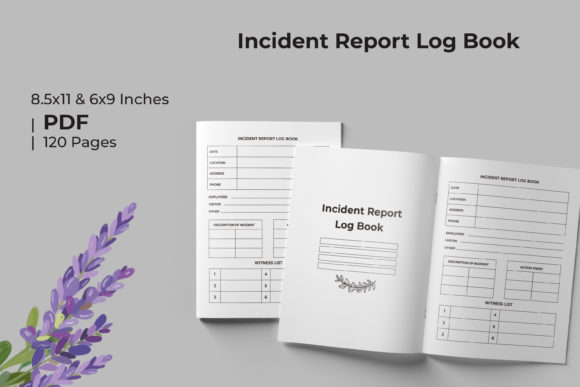
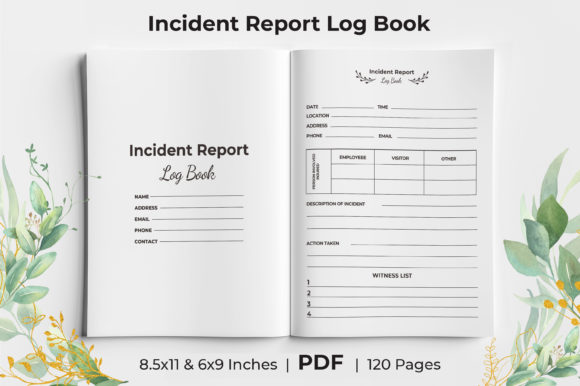
- Ready to Upload PDF File: The logbook is provided in a ready-to-upload PDF format, making it easy to use and distribute.
- Dimensions: 6 x 9 inches (8.5 inches with bleed): The logbook is designed to fit standard page sizes, ensuring it is both practical and professional.
- 120 Total Pages: With 120 pages, there is ample space to document multiple incidents, providing a thorough and detailed record-keeping solution.
- Intro Page: An introductory page outlines the purpose and structure of the logbook, helping users understand how to use it effectively.
- KDP Tested: The interior of the logbook has been tested on Amazon KDP (Kindle Direct Publishing) to ensure high quality and compatibility, making it ideal for self-publishing and distribution.
Realistic Examples and Recommendations
Consider a scenario where a small business experiences a slip-and-fall accident. Using the Incident Report Logbook, the manager can immediately document the details of the incident, including the time, location, and circumstances. This information can then be used to conduct a thorough investigation, implement preventive measures, and, if necessary, provide evidence in case of legal proceedings.
For businesses, it is recommended to integrate the use of the Incident Report Logbook into their regular workflows. Regular training sessions on how to use the logbook effectively can also be beneficial, ensuring that all employees are aware of its importance and know how to document incidents accurately.
Conclusion
The Incident Report Logbook is a powerful tool that supports modern business needs by providing a structured and efficient way to manage and document incidents. With its comprehensive features and tested quality, it is an indispensable resource for professionals and businesses alike. By leveraging this tool, organizations can enhance their safety, compliance, and overall operational effectiveness.