Hexagonal Notebook Paper: A Versatile Tool for Chemistry and Creative Projects
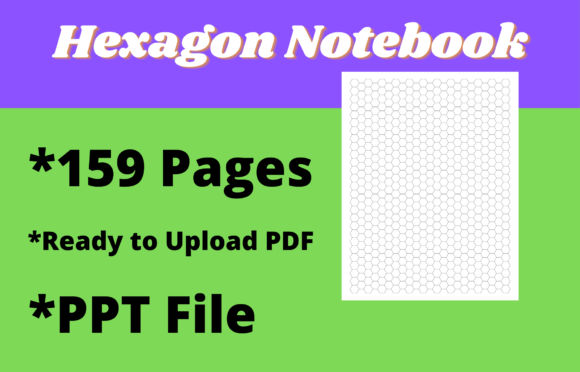
Hexagonal notebook paper is a unique type of graph paper that features a grid of hexagons instead of the traditional squares. This design makes it particularly useful for a variety of applications, especially in fields like chemistry, where it can be used to draw carbon chains and other molecular structures. Additionally, it is popular among artists, quilters, and mappers who appreciate its versatility for creating intricate designs and patterns.
Why Choose Hexagonal Notebook Paper?
There are several compelling reasons why someone might be interested in using hexagonal notebook paper:
- Chemistry and Science: The hexagonal grid is ideal for drawing carbon chains and other molecular structures, making it a perfect tool for chemistry students and professionals.
- Artistic Sketches: Artists can use the hexagonal grid to create geometric patterns, tessellations, and other visually appealing designs.
- Quilting and Mapping: Quilters and mappers find the hexagonal grid useful for planning and designing their projects, as it provides a structured yet flexible layout.
Benefits and Considerations
The benefits of hexagonal notebook paper include:
- Enhanced Visualization: The hexagonal grid helps in visualizing and understanding complex chemical structures and artistic designs more clearly.
- Versatility: It can be used for a wide range of applications, from academic to creative projects.
- Customization: The included PPT file allows for easy customization, enabling users to adjust the grid size and add specific elements as needed.
However, there are also some considerations to keep in mind:
- Learning Curve: For those accustomed to traditional square grids, it may take some time to get used to the hexagonal pattern.
- Specific Use Cases: While versatile, hexagonal notebook paper may not be as suitable for tasks that require a standard square grid, such as engineering drawings or certain types of mathematical graphs.
Situations Where Hexagonal Notebook Paper Shines
Hexagonal notebook paper is particularly well-suited for the following situations:
- Academic Settings: Ideal for chemistry and science students who need to draw and analyze molecular structures.
- Art and Design: Perfect for artists and designers who want to create intricate geometric patterns and tessellations.
- Quilting and Mapping: Useful for quilters and mappers who need a structured yet flexible grid for their projects.
Alternatives to Consider
While hexagonal notebook paper offers many advantages, there are situations where alternatives may be worth considering:
- Traditional Graph Paper: For tasks that require a standard square grid, such as engineering drawings or certain types of mathematical graphs.
- Isometric Grid Paper: Useful for 3D drawings and architectural sketches, where a three-dimensional perspective is needed.
- Digital Tools: For those who prefer digital solutions, software like Adobe Illustrator or specialized apps can offer similar functionality with the added benefit of easy editing and sharing.
Making the Right Decision
To determine whether hexagonal notebook paper aligns with your goals and needs, consider the following:
- Your Specific Needs: Identify the primary purpose for which you will use the notebook. If it involves chemistry, art, or quilting, hexagonal notebook paper is likely an excellent choice.
- Familiarity with the Grid: If you are already comfortable with traditional square grids, assess whether the learning curve for a hexagonal grid is worth the effort.
- Project Requirements: Consider the specific requirements of your projects. If they demand a hexagonal grid, then hexagonal notebook paper is the right tool.
In conclusion, hexagonal notebook paper is a versatile and practical tool that offers numerous benefits for chemistry, art, and creative projects. By carefully evaluating your needs and the specific requirements of your work, you can make an informed decision about whether this unique type of graph paper is the right fit for you.